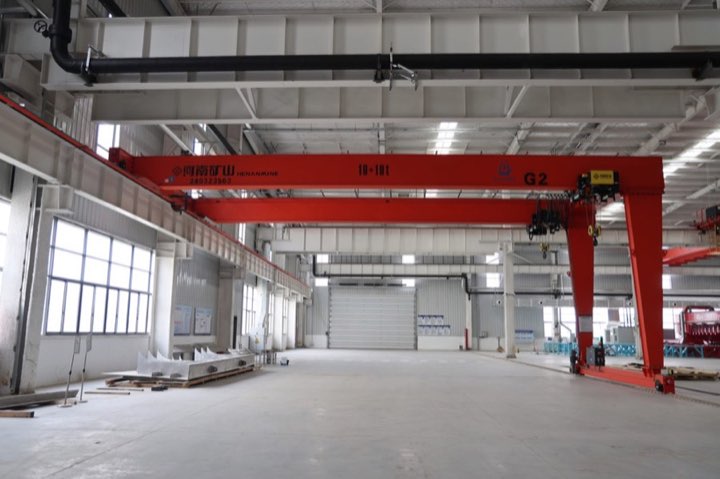
New Generation Electric Hoist Semi-gantry Crane
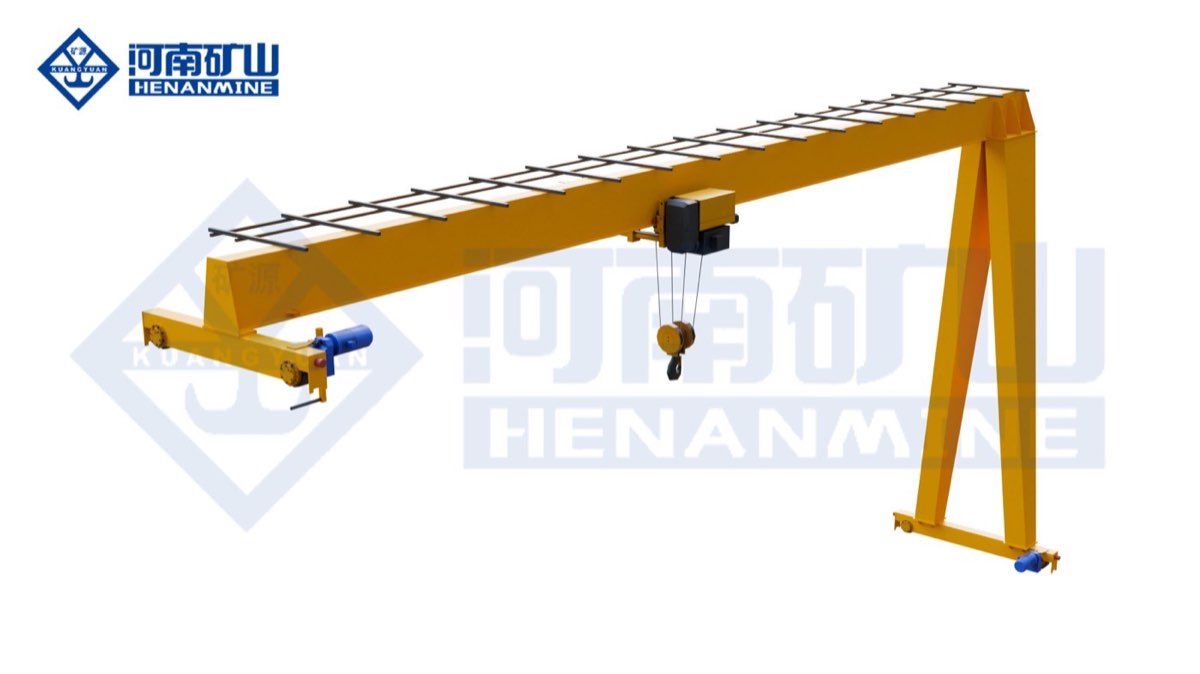
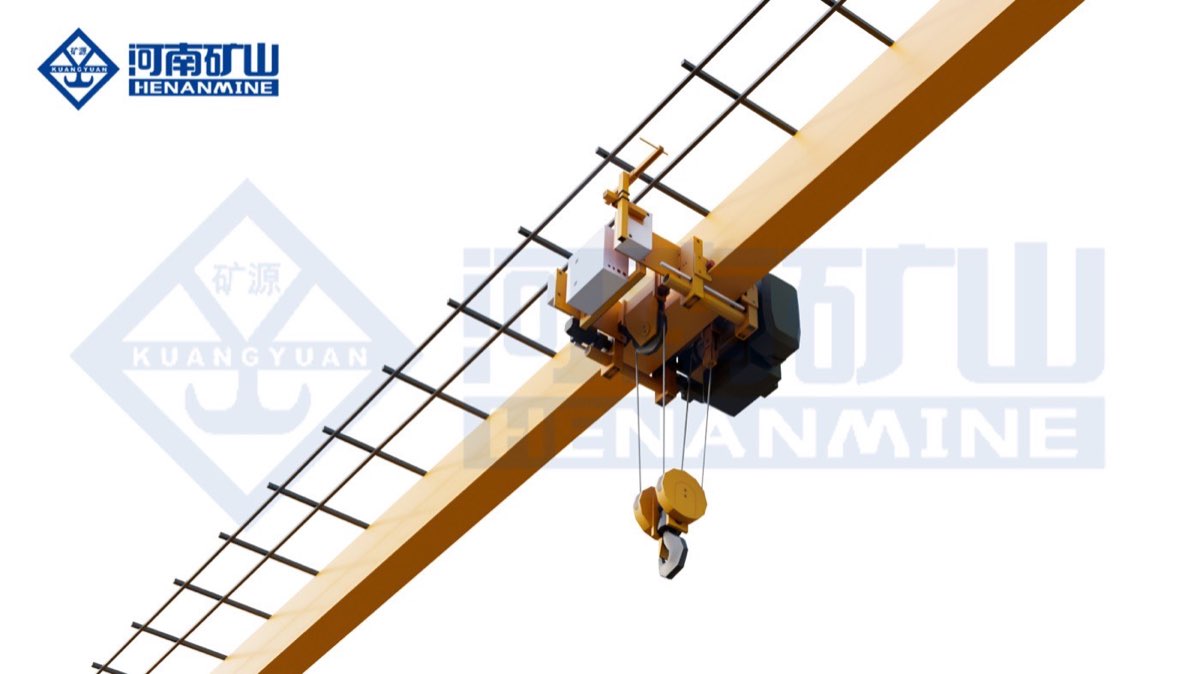
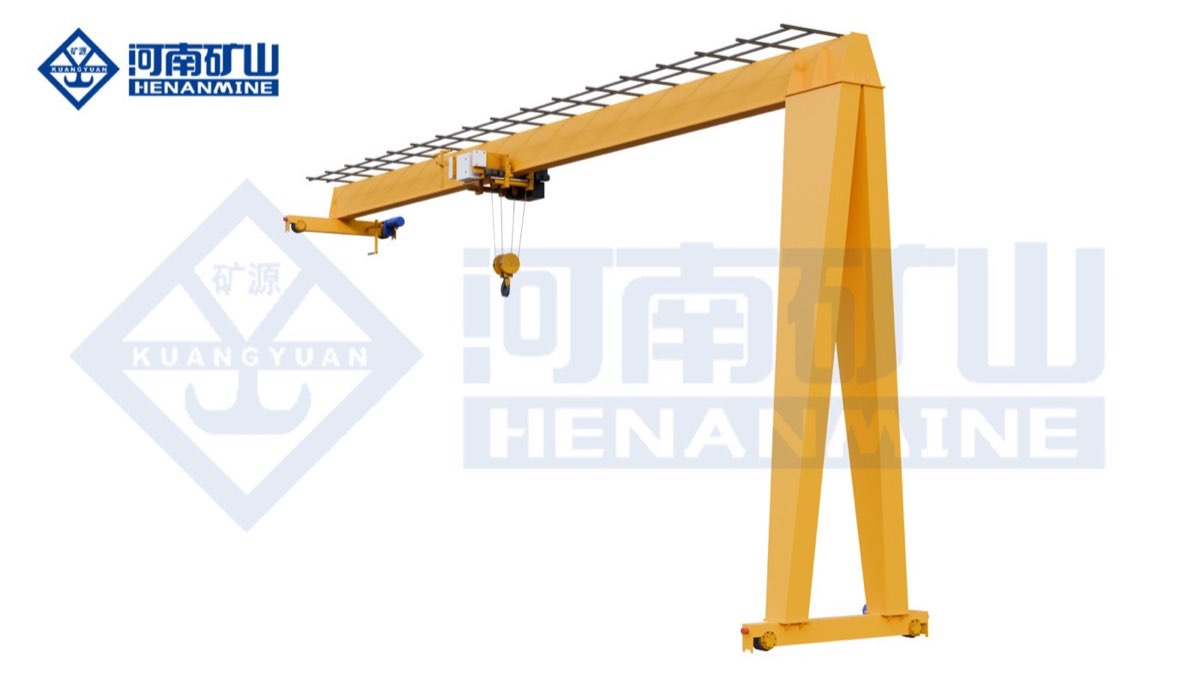
The electric hoist gantry crane (hereinafter the crane) is one of the most widely used hoisting machines. Its hoisting mechanism is an electric hoist, and it runs on ground rails supported by legs on both sides, handling intermittent and repetitive loading, unloading and transfer of materials and equipment in normal working environments with vertical lifting plus longitudinal and transverse travel. Load-handling devices can be hooks, grabs or electromagnetic chucks to suit a wide range of materials. The legs can carry cantilevers on the outside to transfer items out of the bay, or can be supplied without cantilevers. Duty classes A3–A5.
Type test specification: KSMB
Type test product name: Electric Hoist Gantry Crane
Advantages & features
- 01
Hoisting and travel use variable-frequency control: low noise, low energy consumption, smooth running, slow on heavy loads and fast on light loads, speed range 1:10. Lightweight design is 15–30% lighter than a conventional crane, maximum wheel load is 20–35% lower and energy consumption 10–20% lower.
- 02
Reducers use hardened gear teeth (surface hardness ≥60 HRC) and an integrated housing, with transmission efficiency above 95% and 2–3 times the life of conventional soft-tooth reducers; wheels, housings and drums use high-strength alloy materials, raising structural strength by more than 10%.
- 03
Long and cross travel use three-in-one drives with direct-coupled design for high efficiency and a low failure rate. Cab operation, pendant control, radio remote control and PLC-linked control are all supported.
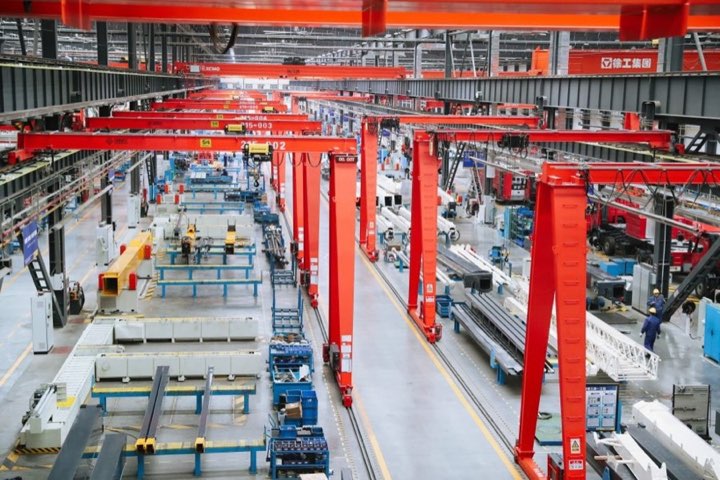
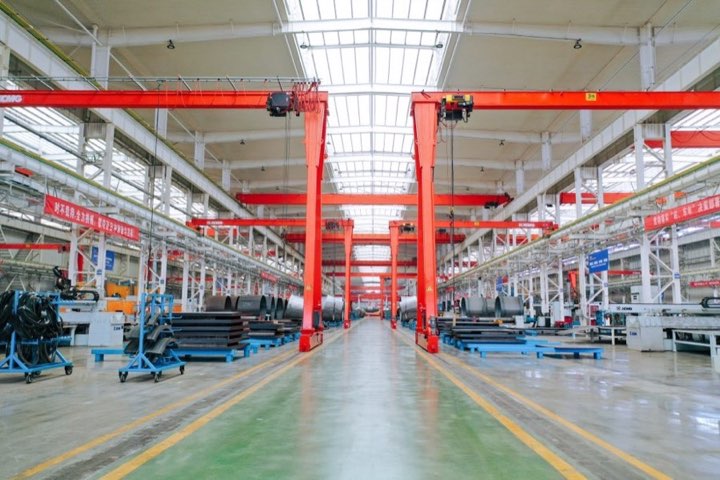
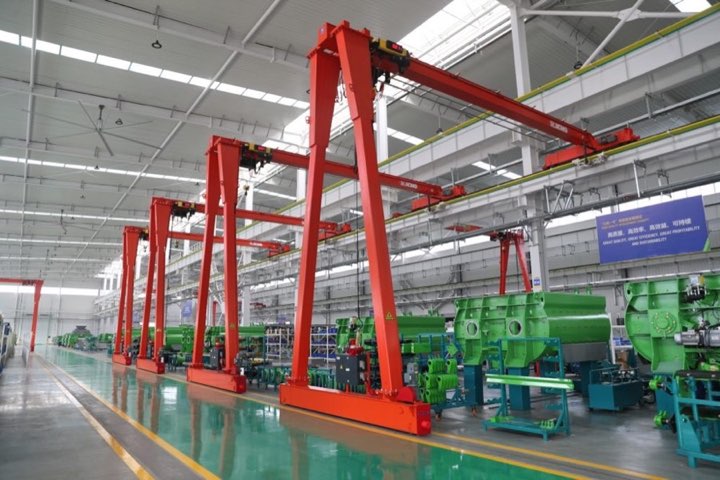
Product gallery